
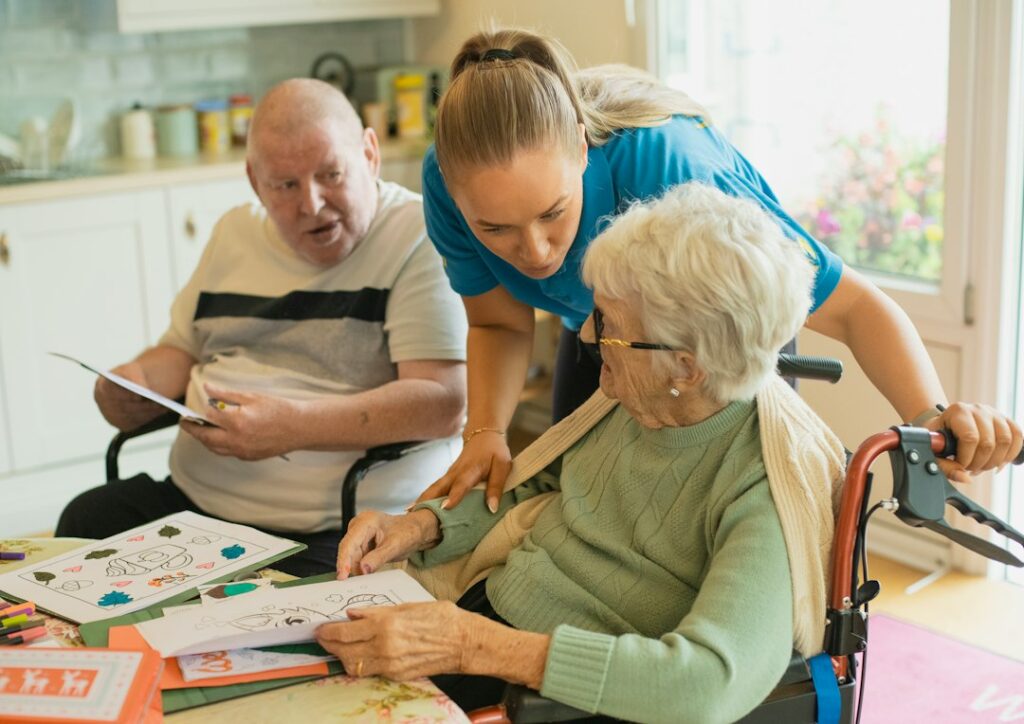
Assisted living communities in Columbia, PA prepare for natural disasters by planning for evacuation, sheltering in place, power loss, medication needs, communication, transportation, and continuity of daily care. Because many residents may have mobility limitations, memory-related conditions, medical equipment, or complex medication schedules, emergency planning must be more detailed than simply telling people where to go.
What types of disasters must assisted living communities prepare for?
Assisted living residences generally plan for several hazards rather than focusing on only one emergency. In this area, those risks may include severe thunderstorms, flooding, winter storms, extended power outages, extreme heat, high winds, and occasional tornado conditions.
The plan should also address emergencies that can follow a natural disaster, such as:
- Loss of heat or air conditioning
- Water service interruption
- Unsafe roads or blocked entrances
- Medication delivery delays
- Telephone or internet outages
- Transportation problems
- Damage to elevators, fire systems, or essential equipment
- Changes in food preparation or meal service
Flooding deserves particular attention because heavy rainfall, rapid snowmelt, and water rising near roads or low-lying areas can affect transportation even when a building itself is not flooded. Winter weather can create a different challenge: residents may remain inside safely, but staff, emergency vehicles, supplies, or replacement workers may have difficulty reaching the residence.
How is an emergency plan created?
A residence should maintain a written emergency preparedness plan that explains what staff will do before, during, and after a disaster. Pennsylvania assisted living requirements call for plans that cover resident contacts, emergency medical information, transportation, staff responsibilities, and alternate ways to meet resident needs during utility outages.
A useful plan is specific rather than general. It identifies:
- Which residents need help walking, transferring, or using mobility equipment
- Who requires hands-on assistance during evacuation
- Which residents may become confused or distressed during a disruption
- What medications, treatments, or medical devices must continue without interruption
- Where residents will go if relocation is necessary
- How family members or designated contacts will receive updates
- Which staff members are responsible for transportation, records, supplies, and communication
Plans also need to account for different emergency types. The safest response to a tornado warning may be to move residents away from windows and into protected interior areas. A flood may require relocation to higher ground. A winter power outage may call for sheltering in place if the building remains safe and adequately heated.
What happens during a power outage?
Power loss can affect much more than lighting. Assisted living staff must consider heating, cooling, elevators, kitchen equipment, refrigerators, medication storage, communications, oxygen equipment, adjustable beds, emergency call systems, and electronic records.
Facilities typically prepare by identifying backup power needs and alternate procedures. Depending on the building and the length of the outage, this may include:
- Emergency lighting and backup communication methods
- Generators or other approved emergency power arrangements
- Battery checks for essential medical equipment
- Manual procedures for documenting care and medication administration
- Extra drinking water and shelf-stable food
- Plans for maintaining safe temperatures
- Arrangements for relocating residents if essential systems cannot be restored
A generator does not automatically solve every problem. Staff must know which systems it supports, how long fuel or battery supplies are expected to last, and what happens if the outage continues longer than anticipated. Residents who rely on powered equipment should have an individualized backup plan rather than being covered only by a general facility policy.
How are medications and medical needs protected?
Medication management is one of the most important parts of disaster preparation. A residence should maintain accurate medication records and have procedures for protecting medications from heat, cold, water damage, or loss of refrigeration.
Emergency planning may include:
- Current medication administration records
- Secure access to essential medications
- A process for replacing medications that are damaged or unavailable
- Information about allergies, diagnoses, physician instructions, and treatment schedules
- Backup supplies for wound care, incontinence care, oxygen, or other routine needs
- Paper records or other alternatives if electronic systems are unavailable
Medical information must be available to authorized responders while still being handled confidentially. This is especially important if a resident needs to be transferred to another location or receives care from emergency personnel who do not know the person’s usual routines.

Families can help by keeping the residence informed about updated medication lists, emergency contacts, health changes, mobility needs, and equipment requirements.
Does assisted living evacuate during every disaster?
No. Evacuation is not always the safest choice. Moving older adults can create risks, including falls, confusion, missed medications, exposure to severe weather, and separation from familiar caregivers.
The decision depends on the condition of the building and the surrounding area. Evacuation may be necessary if there is structural damage, flooding, unsafe indoor temperatures, a fire-related hazard, loss of essential water service, or another threat that cannot be managed inside the residence.
Sheltering in place may be safer when roads are dangerous, the building remains secure, and essential services can continue. In that situation, staff may move residents to safer parts of the building, limit exposure to windows, monitor temperatures, conserve supplies, and maintain regular care routines as much as possible.
How are residents transported if relocation is required?
Transportation planning must account for more than the number of available seats. Residents may need wheelchair-accessible vehicles, transfer assistance, walkers, oxygen, medication records, food, clothing, and supervision during travel.
A strong plan identifies:
- Primary and backup transportation options
- Which residents require specialized assistance
- Staff assignments for each resident
- Resident identification and medical documentation
- Medication and equipment transport
- Destination arrangements
- Procedures for tracking residents during departure and arrival
Residents should not be sent away without a clear record of where they are going and how family members can receive accurate information. Emergency relocation can be stressful, so calm explanations and familiar staff support are valuable, especially for people living with dementia or communication difficulties.
How are families kept informed?
Communication plans usually include designated contacts for each resident and backup methods if telephone service fails. Facilities may use multiple approaches, such as direct calls, text messages, written updates, or communication through emergency response personnel.
Family members should keep contact information current and tell the residence if a designated contact changes. During a major disaster, updates may be delayed because staff must first protect residents and stabilize care. A lack of immediate communication does not necessarily mean that a resident is in danger, but families should know in advance how updates will be provided.
What should residents and families ask before an emergency occurs?
Residents and family members can ask practical questions during a care-planning discussion:
- Does the residence shelter in place, evacuate, or use both approaches depending on the hazard?
- How are residents with mobility limitations evacuated?
- What backup exists for power-dependent medical equipment?
- How are medications protected during a prolonged outage?
- Where would residents go if relocation were necessary?
- How will emergency contacts receive updates?
- How often are emergency procedures and evacuation practices reviewed?
- What personal items should remain ready for a short-term relocation?
Preparedness is not limited to supplies. It also depends on accurate records, trained staff, tested procedures, reliable communication, and an understanding of the local risks that can affect roads, utilities, and access to care. For older adults in Columbia, planning ahead can make a disruptive event more organized and reduce avoidable confusion when normal routines are interrupted.
