
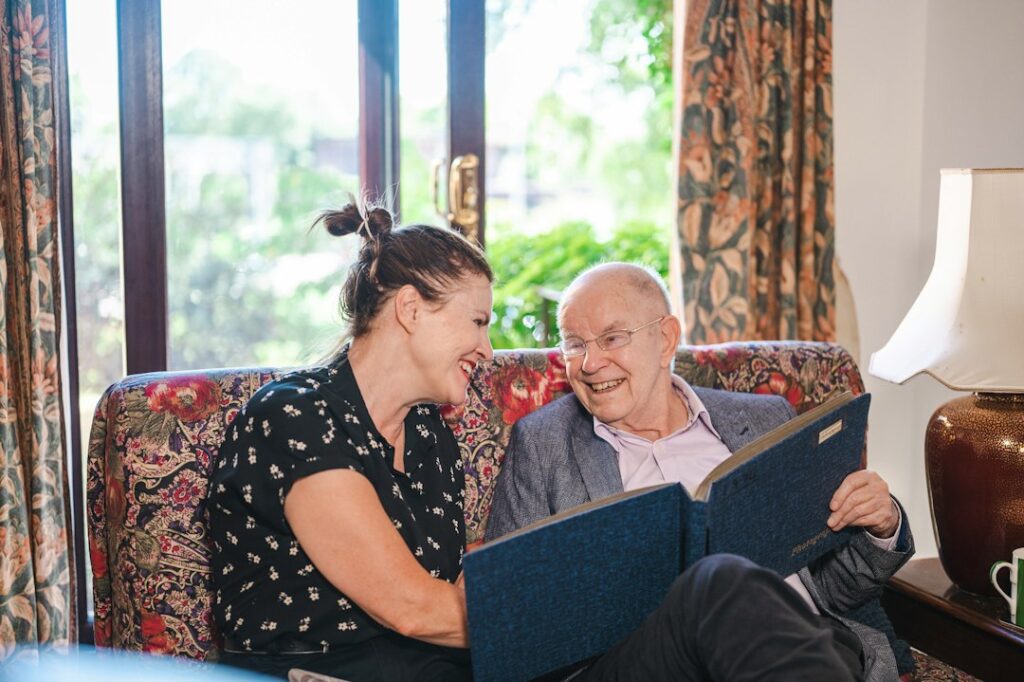
What does assisted living help with?
Assisted living is generally appropriate for older adults who need regular help with daily activities but do not require continuous skilled nursing care. The goal is to provide a safer, more manageable living arrangement while preserving as much independence and decision-making as possible.
Support may include:
- Bathing, dressing, grooming, and toileting
- Getting in and out of bed or a chair
- Medication reminders or medication assistance
- Meals, laundry, housekeeping, and transportation
- Supervision for memory problems or unsafe decision-making
- Opportunities for social activity and routine
Pennsylvania also uses the terms “personal care home” and “assisted living residence.” These settings are licensed differently and may serve different levels of need, so the label alone does not explain exactly what services are available.
What are the clearest signs that someone may need assisted living?
The strongest signs involve safety, personal care, medications, nutrition, and the ability to manage a home. A single bad day does not necessarily mean a move is needed. Repeated problems, especially when they are getting worse, deserve closer attention.
Common warning signs include:
Daily personal care has become difficult
A person may be struggling to bathe, change clothes, brush teeth, use the bathroom, or maintain personal hygiene. They may avoid these tasks because they are painful, tiring, embarrassing, or confusing.
Look for changes such as wearing the same clothing for several days, unexplained body odor, frequent accidents, or refusing to shower because of fear of falling.
Falls or near-falls are becoming common
A fall can result from weakness, poor balance, vision changes, medication side effects, or hazards in the home. Repeated falls, difficulty rising from a chair, holding onto furniture while walking, or avoiding stairs may indicate that the current setting is no longer safe.
Winter conditions can make this more concerning for households in Columbia, where ice, snow, wet floors, and reduced daylight may add to fall risks around entrances and walkways.
Medication mistakes are occurring
Missed doses, double doses, confusion about prescriptions, or difficulty opening containers can create serious health problems. Medication concerns may be especially easy to overlook when several relatives share responsibility or check in only by phone.
A written list of medications and a record of missed or duplicated doses can help show whether the problem is occasional or becoming a pattern.
Meals, hydration, or weight have changed
A person may stop cooking because standing is difficult, using appliances feels unsafe, or shopping has become exhausting. Spoiled food, empty cupboards, unexplained weight loss, dehydration, or repeated reliance on snacks may signal that regular meal support is needed.
Changes in eating can also result from dental problems, depression, medication effects, or illness. Those possibilities should be considered rather than assuming that housing alone will solve the issue.
Household maintenance is no longer manageable
Overflowing trash, unpaid bills, spoiled food, laundry buildup, unsafe clutter, or neglected pets may indicate that ordinary household responsibilities have become too demanding.
A less tidy home does not automatically mean assisted living is necessary. The more meaningful question is whether the condition creates health, fire, sanitation, or fall hazards.
How do memory problems affect the decision?
Memory loss becomes more concerning when it affects safety or judgment. Forgetfulness, such as misplacing keys, may be manageable. Problems such as leaving the stove on, getting lost in familiar places, falling for scams, forgetting important appointments, or repeatedly asking the same safety-related questions may require more supervision.
Changes in personality, suspiciousness, agitation, or difficulty recognizing familiar people also deserve medical attention. Some causes of confusion can be treated, including medication reactions, infections, sleep problems, hearing loss, vision loss, or depression.
Assisted living may provide reminders and supervision, but not every setting can safely support a person with advanced dementia, wandering, aggression, or complex medical needs. The level of memory support should be evaluated separately from the general question of whether a move is needed.
Does caregiver stress mean it is time?
Caregiver strain is part of the decision, not a sign of failure. If family members are missing work, losing sleep, arguing about responsibilities, or feeling unable to leave the person alone, the current arrangement may no longer be dependable.
Warning signs include:
- A caregiver cannot safely provide transfers, bathing, or toileting help
- Someone is providing medication assistance without adequate training
- Family members are responding to emergencies repeatedly
- Caregiving is damaging a relationship or causing resentment
- The older adult is alone for long periods because no one can fill the schedule
- A caregiver feels depressed, frightened, or physically unwell

A plan that works only because one exhausted person is available every hour is not a stable long-term plan.
What if the person refuses assisted living?
Resistance is common and should not be dismissed. Moving means giving up a familiar home, routines, possessions, privacy, and a sense of control. A person may also fear that assisted living means losing independence.
Start with the specific problem rather than the move itself. Discuss help with bathing, meals, transportation, or medication organization. Ask what the person wants to keep, what feels unsafe, and which changes would make daily life easier.
A gradual conversation is usually more productive than waiting for a crisis. It can also help to include the older adult in decisions about room layout, belongings, routines, meals, visitors, and activities.
If a person lacks the ability to understand serious safety risks or make informed decisions, legal and medical guidance may be necessary. Family disagreement alone does not establish that someone is unable to make decisions.
What should families check before deciding?
Before treating assisted living as the only option, review the person’s health, home environment, support network, finances, and preferences. Some problems may improve with home modifications, meal support, transportation, outpatient therapy, or limited in-home assistance.
A practical assessment should ask:
- How many daily tasks require hands-on help?
- Is help needed once a day, several times a day, or overnight?
- Are there recent falls, hospital visits, or medication errors?
- Can the person respond appropriately to an emergency?
- Is the home accessible and reasonably safe?
- What happens when the usual caregiver is sick or unavailable?
- Would the person need secured memory support?
- Which services are included, and which cost extra?
In Pennsylvania, assisted living residences and personal care homes are licensed settings, but services, staffing, medication policies, and admission requirements vary. Families should review the license status, inspection information, written service agreement, emergency procedures, staffing coverage, and rules for increasing care needs.
When is immediate action needed?
Some situations call for urgent medical or emergency help rather than a gradual housing discussion. These include a serious fall, sudden confusion, chest pain, trouble breathing, signs of stroke, suspected overdose, an unattended fire, exposure to dangerous weather, or an inability to obtain food, water, or essential medication.
If the person is in immediate danger, call 911. Sudden confusion or a sharp decline over hours or days should be treated as a medical concern, even when dementia is already present.
For less urgent situations, keeping a brief record for two to four weeks can clarify the pattern. Note falls, missed medications, meals, hygiene concerns, wandering, appointments missed, caregiver hours, and emergencies. Specific examples usually lead to better decisions than general statements such as “things are getting harder.”
The right time to consider assisted living is usually before a crisis, not after one. When safety problems are recurring, daily care requires more help than the household can reliably provide, or the person can no longer manage essential tasks alone, a structured living setting may offer needed support while preserving dignity and choice.
