
How Is Medical Care Coordination Managed in Assisted Living?
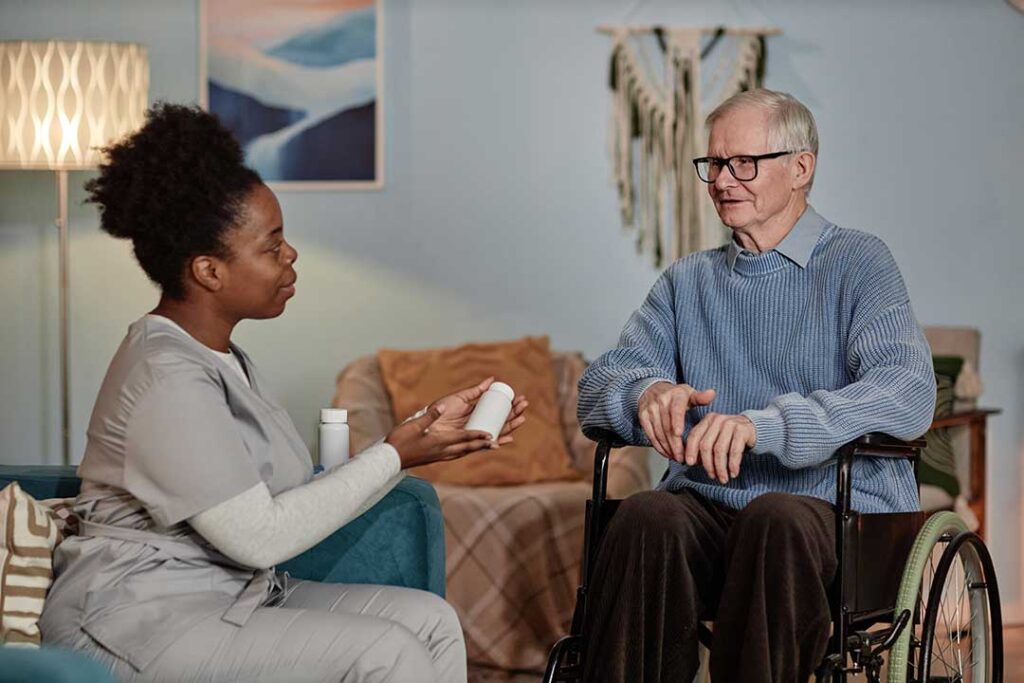
Medical care coordination in assisted living focuses on organizing and streamlining residents’ health-related needs. In these communities, staff communicate between physicians, specialists, pharmacies, and residents so that medications, appointments, and healthcare decisions remain consistent and easy to manage. This helps reduce confusion or duplication, especially for those living with multiple conditions.
In Columbia, PA, many residents rely on this system to manage chronic illnesses, regular medication schedules, and health appointments—creating a smoother and safer experience day-to-day. Local families often appreciate knowing that someone is helping connect the dots between hospitals, doctors, and the everyday care team.
What Does Care Coordination Typically Cover?
It includes:
- Updating medical histories and maintaining accurate records
- Reminding and assisting residents to take medications correctly
- Scheduling transportation for medical visits
- Sharing relevant health information among care providers, with residents’ consent
- Facilitating communications between primary care doctors and specialists
- Helping implement care plans for chronic diseases or after a hospital stay
For those in Columbia, these services are essential, especially for individuals who see specialists in nearby medical centers. By handling these logistics, staff help reduce avoidable hospital visits or medication errors.
Who Are the Key Participants in the Coordination Process?
Medical care coordination generally involves the following roles:
- The resident—the central participant, whose health needs and preferences drive the plan
- Family members—often kept informed and involved for context or consent, especially if legal health proxies are involved
- Facility nursing staff, aides, and a designated care coordinator—who communicate details and track changes
- External healthcare providers—such as family doctors, nurse practitioners, therapists, or visiting specialists
Communication can take place by phone, secure digital systems, faxes, or in-person—usually with the resident’s permission. In smaller communities like Columbia, these network relationships can often feel more personal and responsive due to the close-knit healthcare ecosystem.
How Are Medications Handled?
Medication management is a core aspect of care coordination. Staff:
- Order, receive, and track prescriptions from local or mail-order pharmacies
- Store medicines following safety guidelines (temperature, security, and labeling)
- Prepare and prompt administration, reducing risks of missed doses or confusion
- Monitor for possible side effects, allergies, or drug interactions by tracking updates from doctors and pharmacies
Residents and family members often have concerns about new prescriptions. Staff typically consult with primary care clinicians, update lists after hospitalizations, and address questions or changes right away.
What About Emergency and After-Hours Health Needs?
During emergencies, staff follow strict protocols:
- Contacting emergency services when life-threatening symptoms arise
- Communicating relevant medical history and medication lists to responders
- Notifying family contacts or health proxies in line with privacy regulations

For urgent but non-life-threatening changes—ranging from sudden fever to a mild fall—staff reach out to the resident’s authorized physician or an on-call provider. This helps ensure that emergency room visits are only made when truly necessary, and care remains coordinated even outside business hours.
Local residents often worry about timely responses, especially during severe winter storms or power outages, which can impact transportation and communication in the region. Facilities plan for these events by keeping updated emergency protocols and backup contact numbers.
How Do Residents and Families Stay Informed?
Residents and families often wonder how closely they’ll be kept in the loop. There are several ways this happens:
- Written care plans are created upon admission and updated after significant health changes.
- Routine check-ins and family meetings are scheduled to review care goals and current health conditions.
- Staff notify designated family members of significant changes, new prescriptions, or upcoming medical appointments.
- Some facilities use secure electronic portals where family members can view updates if the resident consents.
Many in Columbia prefer phone calls, especially older adults or families without regular internet access. Care coordinators typically respect these preferences.
What Are Common Misunderstandings About Medical Care in Assisted Living?
A frequent misconception is that assisted living provides the same level of health monitoring as a skilled nursing facility. In reality, while daily support is substantial, assisted living relies on collaboration with external healthcare providers.
Medical care coordination in these settings is about ensuring ongoing communication and logistics—not replacing the need for outside medical expertise. Residents must continue attending doctor appointments and may need to arrange home health services if intensive medical intervention is required.
Another misunderstanding is the belief that all care coordination is automatic. While staff are proactive, residents and families are encouraged to share updates, report new symptoms, and maintain open dialogues with the coordination team.
What Should Residents Ask About Local Medical Coordination?
When asking about medical care in an assisted living setting, consider:
- Who will track and update health records?
- How are after-hours emergencies handled?
- What processes are in place for hospital discharge follow-up?
- Is there support for transportation to frequently used medical clinics?
- How will privacy rights and family communications be managed?
These practical questions help area families understand the specific approach and make sure a loved one’s experience feels both organized and reassuring.
